Canary Wharf Storage in Canary Wharf

Canary Wharf Storage in Canary Wharf is built around secure space for items that need to be kept organised, protected and easy to access when you are between moves, reducing office footprint, or simply short of room. The service covers household goods, business stock, documents, furniture and seasonal items, with choices that suit short and longer durations. If you need a straightforward storage arrangement rather than a complicated process, the service is set up to make the next step clear.
We help customers choose the right type of space by looking at what needs storing, how often it may be accessed and whether the items are personal, commercial or mixed. That can mean self storage for frequent access, furniture storage for bulkier items, or a more specialised arrangement for files and equipment. Storage should feel practical, not vague, so the main job is to match the unit or service to the items and the timeframe.
To request a quotation, use the contact route on the site and describe the items, the amount of space you think you need and how long you want to keep them in storage. If you already know the category, you can mention it directly, such as household, office or document storage. That helps keep the reply focused and avoids unnecessary back-and-forth.
Choosing the Right Type of Storage
Different storage needs call for different arrangements, and the choice is usually shaped by access, item size and how carefully the contents must be kept in order. Some customers want a simple space for boxes and household items; others need a better fit for desks, filing, archived records or stock that should stay grouped together. The service is designed to support those different patterns without turning the process into a one-size-fits-all package.
It often helps to separate what you want to keep together from what can be split into smaller loads. A few large items may suit furniture storage, while mixed domestic contents can be more appropriate for household storage. If the main concern is regular access to goods or stock, a more flexible option such as self storage can be a better starting point. Matching the storage type to the contents saves space and reduces handling.
Before you enquire, it is helpful to make a simple note of what is going in: boxes, loose items, furniture, business files, display materials or equipment. You do not need to over-prepare, but a clear inventory makes it easier to suggest a suitable option. If some items are fragile or awkwardly shaped, say so early so the arrangement can take that into account.
Space for Business, Stock and Documents

Many enquiries are commercial, especially where businesses need extra room for stock, equipment or records that should not take up valuable working space. Business storage gives companies a way to keep items together without crowding an office or shop floor, while office storage can support desks, chairs, archived paperwork and seasonal materials. The aim is to provide order and access rather than leaving items in an inconvenient pile.
Where paperwork needs a more controlled setup, document storage offers a clearer fit for files, records and archived material that should be kept separate and organised. Businesses with changing demand may also use removals and storage as part of a move or reorganisation, particularly when furniture and equipment need to be handled in stages. Good storage for business use is as much about tidiness and retrieval as it is about capacity.
For an accurate quote, it helps to note whether the contents are boxed, palletised, shelved or mixed, and whether you need occasional access or a longer stay. The more clearly you describe the type of items, the easier it is to suggest the most suitable option. If the storage is linked to a relocation, mention that too so the arrangement can be planned around it.
Short-Term and Longer-Term Options
Not every storage requirement lasts the same amount of time. Some people only need a short holding place during decorating, a house move or a temporary change in business operations, while others want a longer arrangement for belongings they do not need every week. The service covers that range, with options that can be matched to the practical length of stay instead of forcing one fixed pattern on every customer.
Short-term storage is usually useful when the end date is already fairly close or the items will be collected again soon after a move or project. For belongings that need to stay put for longer, long-term storage gives a better fit, especially where the contents are not needed in day-to-day life. If the contents are sensitive to handling or need more careful positioning, secure storage may be the right topic to explore further.
A good enquiry normally includes the broad timescale rather than an exact guess if that is not yet fixed. Saying whether you expect days, weeks or months is enough to start the conversation. If the duration may change, explain that as well so the storage plan can stay flexible rather than awkward.
Moving House or Clearing Rooms
Storage often sits alongside a move, a refurbishment or a room-by-room clear-out. In those situations, items may need to be moved out first and kept safely until the next part of the plan is ready. The service works well for that kind of transition because it can keep the contents together instead of spreading them across unsuitable spaces while other work is taking place.
Where transport is also needed, options such as removals, local removals and small removals may be relevant alongside storage. If the move is from or to a flat, flat removals can also be useful, especially when stairs, access or limited loading space are part of the planning. Combining movement and storage can keep the sequence simple.
When preparing a quote request, it is useful to say whether items need collection, whether they are already packed, and whether furniture will need dismantling or reassembly later. If you know the move date, share it; if not, a rough window still helps. That gives a better basis for sizing the work and selecting a suitable arrangement.
Support for Household Contents
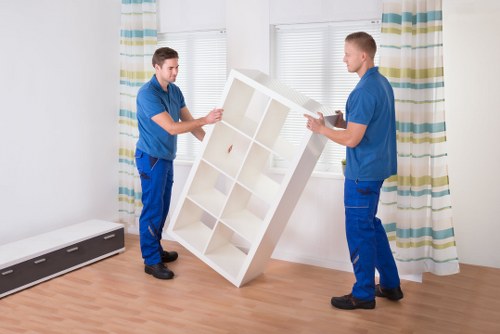
Household storage needs can vary from a few boxes to the contents of an entire room, and the right solution depends on the balance between size, access and how delicate the items are. Some customers only need room for seasonal decorations, spare bedding, hobby items or furniture while they redecorate. Others need more structured help while waiting for a move, sorting an estate or making space at home.
The related services on this site include house removals for moving the contents of a home, and household storage where the main requirement is safe keeping rather than transport. If the items are mainly furniture, furniture storage can be a more precise fit, particularly for larger pieces that need to stay together rather than being broken up into boxes. Choosing a more specific storage category can make the arrangement easier to manage.
If your enquiry relates to home contents, a short description of the rooms involved is enough to get started: kitchenware, bedroom items, lounge furniture, boxed keepsakes or mixed belongings. You do not need a polished list, but a realistic summary avoids underestimating space. If access matters, mention whether anything will need to be taken out before the end of the storage period.
Office and Record Keeping Needs
Business storage is often driven by a simple need for order. Offices can become crowded with archive boxes, spare chairs, redundant desks, exhibition materials and seasonal supplies that are not needed every day. Keeping those items in a separate space makes it easier to manage the main workspace and protects circulation areas from being overloaded by things that only need occasional use.
office removals can be part of a wider move or reconfiguration when items need to shift from one workplace to another, while office storage is more suitable when the move is temporary or the equipment is being kept for later use. For archived files and documents, document storage gives a clearer route for organised retention. Keeping records separate from general stock often makes retrieval much easier.
When you ask for pricing, it helps to distinguish between active items, archive material and furniture that may need to be accessed at different times. The storage recommendation can be better when those groups are named separately. If your business has a moving deadline, mention it with the enquiry so the planning can take the schedule into account.
About Canary Wharf
Canary Wharf is a major district in east London, positioned on the Isle of Dogs within the London Borough of Tower Hamlets. It is best known today for its cluster of towers, but the area’s identity has changed over time from docks and wharves to a concentrated business quarter. The name itself reflects the docklands past, when the riverside was tied to shipping, warehousing and trade. Large-scale redevelopment from the late twentieth century reshaped the landscape, replacing derelict dockland with new transport links, office buildings and public spaces. The result is a place where modern architecture sits beside reminders of the old water-led geography of the Isle of Dogs.
What to Include in a Quotation Request

A clear quote request does not need to be long, but it should answer the basic questions of what, how much and for how long. If the items are mixed, try to group them into broad categories rather than writing a single catch-all sentence. This keeps the quote focused and reduces the chance of misunderstanding. It is also sensible to say whether you need access during storage or only at the end.
An enquiry becomes more useful when it includes practical details such as whether the contents are boxed, whether there are large furniture items, and whether collection is required before storage begins. If you are comparing options, it can help to mention the main priorities in order, such as access, duration, item type or moving support. Simple details are usually enough to start a proper conversation.
If you are ready to take the next step, ask for a quotation and include your preferred timeline. There is no need to overstate the job; a brief, accurate description works best. For a straightforward start, use the contact route and say what needs storing, where it is coming from and when you would like the arrangement to begin.
How Storage Can Be Organised
Storage works best when the contents are arranged with some thought before they are moved in. Heavy items may sit lower, boxes of similar size can be grouped together, and anything needed more often should be separated from long-term archive material. These are practical decisions rather than rules, but they help make the space more workable and reduce unnecessary handling later on.
For mixed household or commercial loads, it can be useful to separate items into keep, store and move-later groups before the job begins. That is especially helpful where different services are involved, such as packing services to prepare items, or mobile self storage when collection and delivery form part of the arrangement. Well-organised storage is easier to use than a full space with no structure.
When comparing options, think about whether the arrangement needs to be accessible, hidden away for a while, or linked to another job such as a move or refurbishment. That decision usually shapes the most suitable service more than any single item does. If you are unsure, describe the mix of goods and ask for guidance rather than guessing the best category.
Security, Care and Practical Access

Customers usually want storage to feel safe, orderly and easy to manage, especially when the items have personal or business value. A sensible storage arrangement pays attention to the condition of the contents, how often they may be needed and whether anything requires more careful handling. That is one reason the service includes options such as secure storage alongside more general choices, so the arrangement can be matched to the nature of the items rather than left too broad.
For items that may be retrieved from time to time, the balance between security and access matters as much as the size of the space. Books, stock, archive boxes and household goods can all be stored well if they are grouped clearly and identified in a practical way. If your needs may change during the period, mention that early so the arrangement does not become awkward later. A clear plan at the start usually saves effort afterwards.
To finish, send a quotation request with the item types, likely duration and whether collection is needed, and the next step can be shaped around that information. If you are comparing several storage options, say which matter most to you so the response can be more precise. For a direct conversation about the job, request a quotation today.